
Why We Think Late Winter Is the Hardest Month to Cook (and What to Do About It)

March in the Pacific Northwest is a funny time of year.
The days are getting longer, the first flowers are starting to pop up, and everyone can feel spring around the corner. But at the same time, the weather is still unpredictable, schedules are busy, and the motivation to cook dinner every night can feel… very low.
If you’ve found yourself staring into the fridge at 6:30pm wondering what to make, you’re not alone.
Late winter is actually one of the hardest times of year to stay consistent with cooking at home.
Here’s why.
Winter comfort food fatigue
By March, most people are a little tired of the heavy meals that carry us through winter. Big roasts, casseroles, and rich comfort food start to feel like too much.
But it’s not quite warm enough yet to fully switch to salads, grilling, and lighter summer meals.
That in-between moment can make meal planning surprisingly difficult.
Energy dips during the time change
The daylight saving time shift can throw off sleep, energy levels, and routines for a week or two.
When that happens, cooking dinner is often the first thing people skip. It’s much easier to grab takeout or snack your way through the evening.
Busy spring schedules starting up
March is when calendars begin filling up again. Kids’ activities, travel, work projects, and events start stacking up after the quieter winter months.
Suddenly the time you used to have to cook during the week disappears.
What actually works during this in-between season
If cooking feels harder right now, the goal isn’t to force yourself to suddenly cook elaborate meals again. Instead, it helps to simplify.
Here are a few things that tend to work well during late winter:
1. Lean into simple one-pot meals
This is the season for meals that are warm but not heavy. Think brothy soups, coconut curries, chili, or grain bowls with roasted vegetables.
They’re comforting enough for cold evenings but lighter than traditional winter dishes.
2. Cook once, eat multiple times
Batch cooking can make the week dramatically easier. Make something once and use it in different ways.
For example:
- Roasted chicken can become tacos, soup, or a salad topping.
- Cooked rice or quinoa can turn into grain bowls, stir fry, or quick lunches.
3. Keep a few “backup meals” ready
One of the easiest ways to avoid takeout is simply having something ready to go when you’re tired.
That could be:
- A frozen soup
- Pre-chopped vegetables
- Rotisserie chicken
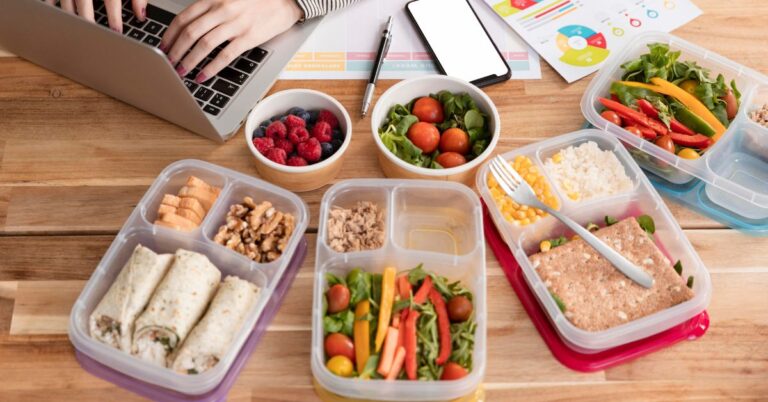
- A prepared meal you can heat in minutes
Having a few easy options ready removes the pressure to cook from scratch every night.
A simpler solution: remove the decision
One of the biggest reasons people struggle with cooking during this time of year isn’t the food itself. It’s the constant decision-making. (Of course we have to mention this one!)
What should we make tonight?
Do we have the ingredients?
Is there time to cook?
When meals are already prepared and waiting in the fridge, the whole process becomes simple. Heat, eat, and move on with your evening.
That’s exactly why we created Farm to Fit.
If late winter cooking fatigue is hitting your house right now, you’re definitely not the only one.
And if you’d rather spend your evening doing literally anything else besides chopping vegetables, well, let us do it for you!
Explore our weekly menu and see what’s cooking.